Last updated November 18, 2026
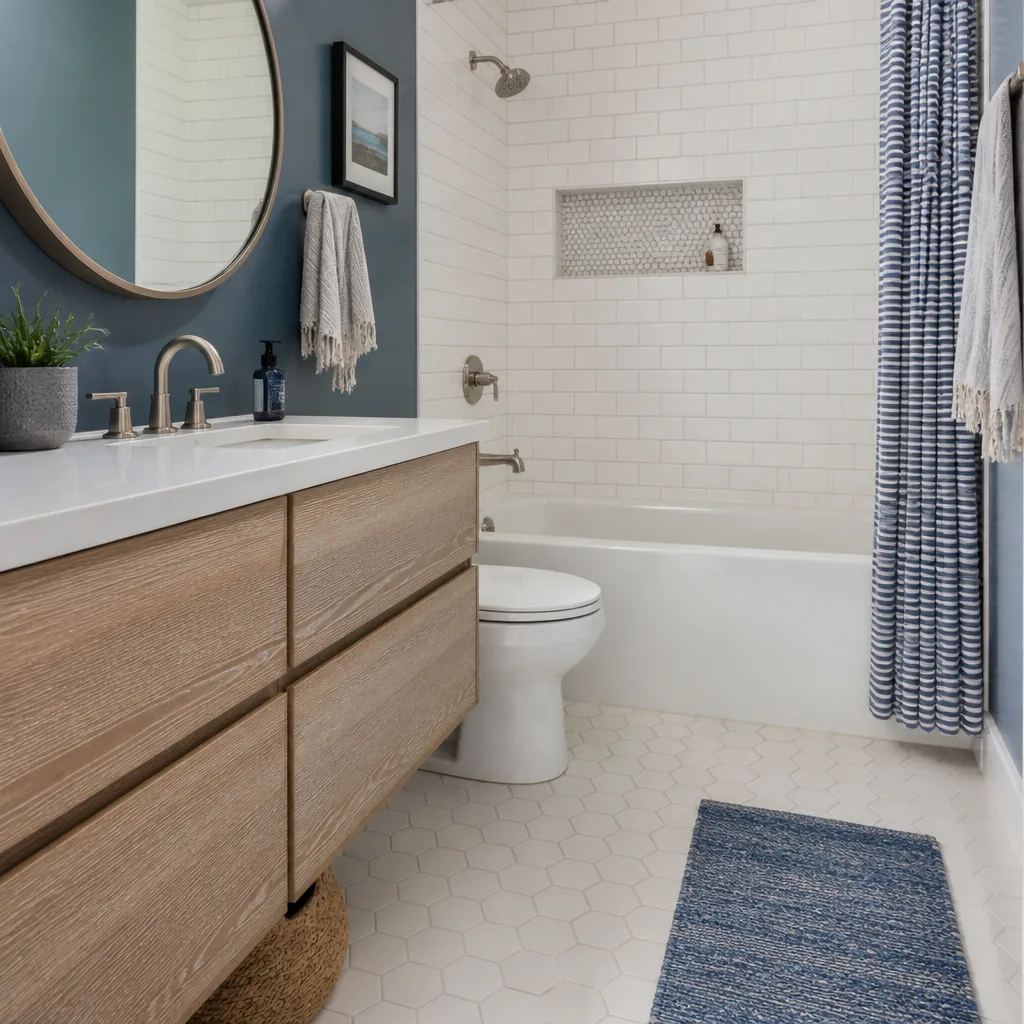
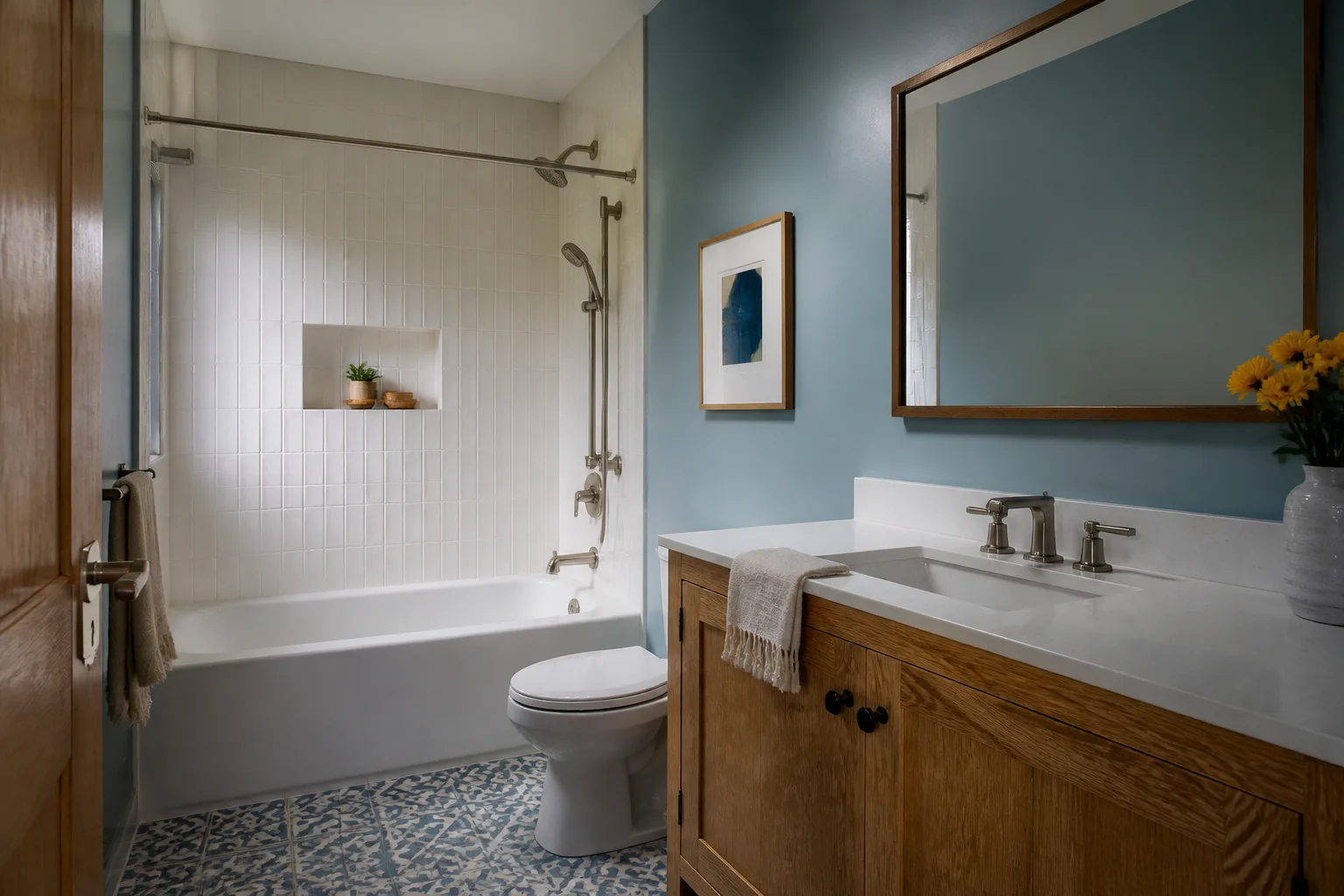
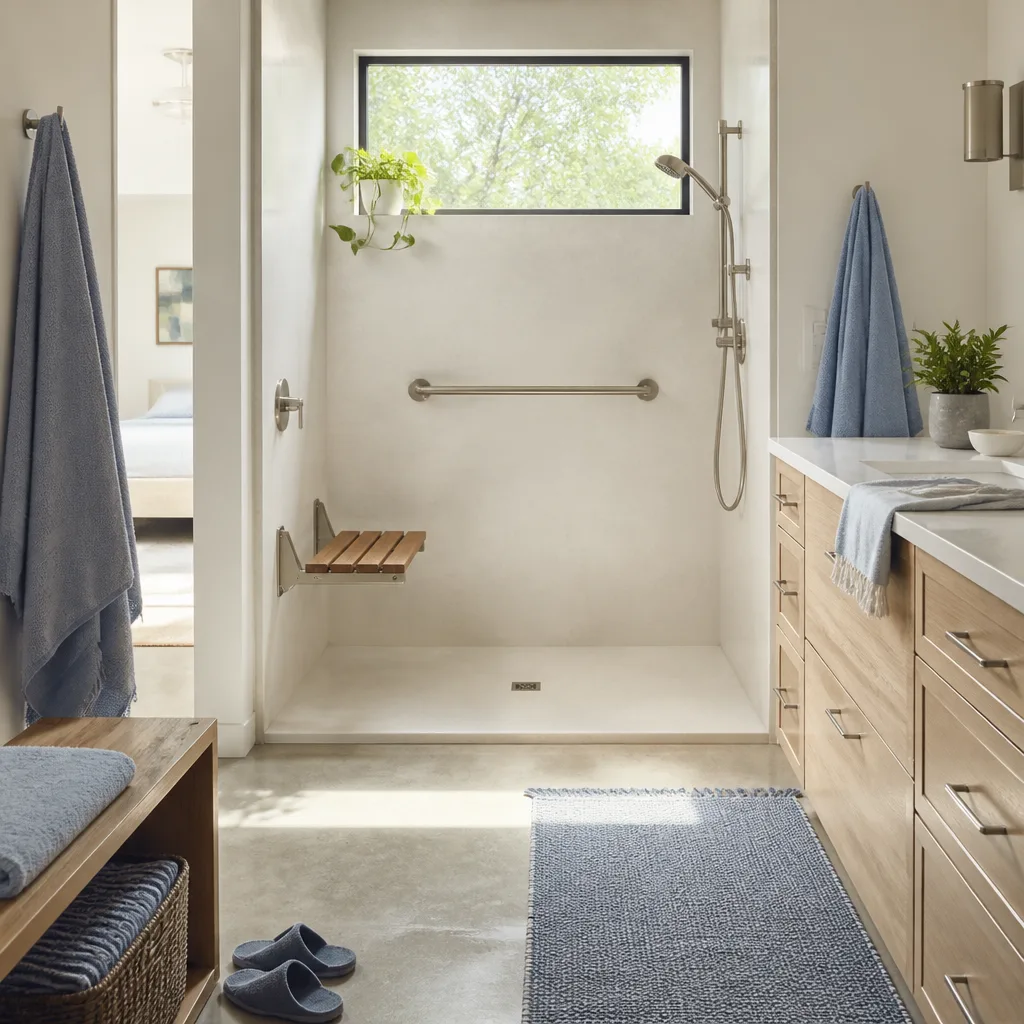


Free in-home design visit - walk-in showers, tub-to-shower conversions, and Kohler, Moen, and Delta fixtures planned to your exact space
Choosing the Right Bathroom Remodeling Brand: A Buyer’s Guide for Las Vegas
Most homeowners start a bathroom project by picking a tile or a vanity. The decision that actually determines how the room holds up is the brand behind the fixtures, and in Las Vegas that decision matters more than it does almost anywhere else. Hard water leaves its mark on cheap finishes fast. A standard chrome faucet can pit and cloud in a couple of years here while a better-finished fixture in the same bathroom keeps its surface. The difference isn’t luck. It’s what the brand engineered into the part. This guide walks through how the major fixture lines perform under Las Vegas conditions, what their warranties really cover, and how to read a remodeler’s brand knowledge as a sign of how they build. You’ll come away knowing how to match the right brand to your water, your budget, and your bathroom.
Styles & brands we work with
- Walk-in shower
- Tub-to-shower
- Freestanding tub
- Kohler
- Moen
- Delta
- Frameless glass
Quick Answer
The best bathroom fixture brands for Las Vegas are the ones engineered for hard water and long-term finish durability, not just looks. Kohler, Toto, Grohe, Delta, American Standard, and Moen all make strong products, but their strengths differ: Toto and Kohler lead on glaze and finish technology, Grohe on valve precision, and Delta and American Standard on value across a wide range. The right choice depends on your water hardness, your budget tier, and how much finish warranty you want to lean on. A specialist who knows these brands deeply will match the fixture to the room instead of steering you toward whatever is easiest to order.
Table of Contents
- Why Brand Choice Matters More in Las Vegas Than Almost Anywhere
- How Las Vegas Water Hardness Stress-Tests Fixture Finishes
- Delta and American Standard: Where the Workhorse Brands Deliver
- Kohler’s Mid-to-Premium Tier: Reading the Finish Warranties
- Toto and Las Vegas: Why Glaze Technology Matters Here
- Grohe and Desert Use: Judging a Contractor’s Familiarity
- The Brand Behind the Wall: Schluter and Waterproofing
- How to Evaluate a Bathroom Remodeling Brand
- Common Mistakes to Avoid
- When to Call a Professional
- Frequently Asked Questions
- The Bottom Line
Why Brand Choice Matters More in Las Vegas Than Almost Anywhere
Las Vegas puts bathroom fixtures through conditions that most American cities don’t replicate. The water is hard. The sun is relentless. And the local standard for a finished bathroom is set by a hospitality industry that builds and rebuilds thousands of rooms on tight maintenance schedules. Homeowners here live alongside that expectation, and it shows in how they judge a remodel. They want fixtures that still look right years in, not just on installation day.
Three forces do the real work:
- Mineral content in the water. The Southern Nevada Water Authority draws from the Colorado River and local groundwater, and the resulting hardness is high enough to leave visible scale on glass, tile, and metal. Fixtures that resist mineral adhesion and clean up easily last far longer here than ones that don’t.
- Intense UV and dry air. Sunlight through a bathroom window and the desert’s low humidity both accelerate wear on surface coatings, seals, and plastics. Finishes that hold up in a humid climate can still fade or craze in a Las Vegas bathroom.
- Expectation of longevity. A city built around hospitality understands replacement cycles. Homeowners here tend to ask how long a fixture will last before they ask how it looks, and that’s the right order.
The brand decides which of these forces your bathroom fights well and which ones it doesn’t. A finish that’s engineered for hard water and UV is doing real work in a Las Vegas bathroom, and you can usually tell the difference within a few years. Cheap chrome clouds and pits. Better coatings hold. That gap is what this guide is about.
How Las Vegas Water Hardness Stress-Tests Fixture Finishes
Las Vegas water is hard, and every finish category responds to that hardness differently. Standard chrome is durable but shows water spots and mineral film quickly. Brushed nickel hides spots better but can still accumulate scale in the crevices. PVD, or physical vapor deposition, finishes are a different class entirely: the coating is bonded at the molecular level and resists scratching, tarnishing, and mineral pitting far better. In a hard water market, that difference is the whole game.
Here’s how the common finish categories tend to behave in Las Vegas conditions:
- Standard polished chrome: Bright and inexpensive, but the polished surface shows every water spot, and thin plating can pit where minerals sit. Expect visible wear sooner than other finishes.
- Brushed nickel: Hides spots better and looks warmer, but textured surfaces trap scale in the grain. Needs regular wiping to stay clean.
- PVD finishes (often marketed as Vibrant, Lifeshine, or StarLight by different brands): Bonded coatings that resist scratching and mineral adhesion. These hold their appearance far longer in desert conditions and are the finish tier worth paying for here.
- Matte black and specialty colors: Trend-forward but finish-dependent. Some brands coat them well, others less so. Ask specifically what the coating is.
The practical takeaway: in Las Vegas, the finish is the part of the fixture most exposed to the local water, so the warranty on that finish is the one to read first. A brand that stands behind its finish for a long term in a hard water market is telling you something about how it was made. Also worth knowing: a water softener changes this math, but not everyone has one, and you shouldn’t assume yours will be installed forever.
The brand’s approach to finish durability is one reason we pay close attention to which lines we recommend. It’s also part of why bathroom remodeling in this city asks for a different brand conversation than remodeling in a soft-water market. If your fixtures are already scaling and pitting, that’s usually the first sign it’s time to plan the swap.
Delta and American Standard: Where the Workhorse Brands Deliver
Delta and American Standard are the two brands most Las Vegas homeowners already know, and for good reason. Both offer broad product lines, wide parts availability, and pricing that makes a full bathroom refresh realistic. They’re the workhorse brands, and used well, they deliver excellent value. But their lines aren’t uniform, and knowing where the value is highest matters.
Where Delta and American Standard excel in a Las Vegas bathroom:
- Everyday faucets, shower valves, and tub fillers where the finish is a standard brushed or spot-resistant option.
- Replacement parts. Both brands have wide parts support, which matters when something needs a cartridge swap years down the road.
- Entry-to-mid pricing that leaves more of the budget for tile, waterproofing, and shower build quality.
- Broad shower system compatibility, especially for tub-to-shower conversions where you’re reusing a footprint.
Where their lines have known hard-water vulnerabilities:
- Entry-level polished chrome finishes can show mineral pitting faster in Las Vegas water than better coatings. If you’re choosing chrome, choose the brand’s upgraded finish option, not the base one.
- Some value lines use thinner plating that wears at the spout and handle edges where water sits. Those are the first spots to check in year two.
- Lower-tier cartridge designs can scale up internally faster in hard water, which shows up as stiff handles or temperature drift.
The lesson isn’t to avoid these brands. It’s to know which line within the brand you’re buying. A premium-finish Delta faucet and a base-model one can be the same brand and behave completely differently after a few Las Vegas summers. That’s exactly the kind of distinction a bathroom specialist should be able to walk you through before you commit.
Kohler’s Mid-to-Premium Tier: Reading the Finish Warranties
Kohler earned its reputation on design and finish durability, and in a hard water market its mid-to-premium lines are where that reputation actually holds. The Artifacts and Purist collections are the ones most worth looking at closely here. Both carry the brand’s upgraded finish options, and both are built to a standard that suits a Las Vegas bathroom that’s meant to last.
What those finishes are actually warrantied for is the part most buyers skip. Kohler publishes a finish warranty per product line, and the terms vary: some finishes carry a lifetime limited warranty, others a shorter term, and the language distinguishes between manufacturing defects and normal wear. Read it with these questions in mind:
- What exactly does the warranty cover? Look for language on tarnish, corrosion, and finish peeling specifically. General “defects in materials” language is broader and less useful.
- How long does it run? A finish covered for life is a very different commitment than one covered for a few years.
- Who honors it? Some warranties are handled by the brand directly with proof of purchase, others through the installer. Know which.
- What voids it? Harsh chemical cleaners, abrasive pads, and improper installation are common exclusions. Hard water scale removal with the wrong product can void a finish warranty, so ask which cleaners are approved.
Newer build techniques and a hard water market make those warranty questions worth the read. Kohler’s premium tiers are a sensible choice when you want that finish coverage to be part of the plan. What you shouldn’t do is assume the brand’s best-known name means every Kohler product is built the same. The tier is doing real work, and so is the line within it.
The finish warranty also interacts with the build. A beautifully finished Kohler faucet over a shower that leaks behind the tile doesn’t last. That’s where the waterproofing side of a remodel earns its keep, and where a bathroom specialist who owns the whole job – instead of handing the details to a subcontractor – makes the difference. For the tub-to-shower side of that work, see our guide to a walk in shower.
Toto and Las Vegas: Why Glaze Technology Matters Here
Toto’s relevance in a Las Vegas bathroom comes down to one thing: glaze. The brand’s ceramic glaze technology, CeFiONtect, is engineered to keep the surface smoother than standard porcelain, and a smoother surface gives minerals far less to grip. In a city where scale accumulates on every hard surface, that’s not a marketing detail. It’s the difference between a toilet that wipes clean and one that stains at the waterline.
Why the glaze matters so much here:
- Mineral adhesion is a constant. Hard water leaves deposits wherever it sits, and the rougher the surface, the faster they build. A surface engineered to resist adhesion buys you years of easier cleaning.
- Cleaning products interact with hardness. Descaling a rough surface usually means stronger chemicals, which is hard on the fixture. A glaze that resists scale reduces the pressure to use them.
- Toilets and sinks take the most wear. They’re cleaned most often, and they see the most direct contact with hard water. Glaze quality shows up there first.
Toto’s porcelain and finish quality also hold up well visually over time, which matters in a market where the design bar runs high. Its pressure-assisted flush systems are a topic of their own and worth asking about specifically for your home’s water pressure. If you’re comparing Toto against Kohler or American Standard, the honest framing is fit and budget, not one brand winning across the board: Toto’s strength is ceramic and glaze, and that’s exactly the strength a Las Vegas bathroom needs most.
One practical note: Toto lines don’t all share the same glaze and finish specifications. Ask which model and which finish you’re buying, and confirm the warranty that comes with it. A brand that’s strong in one line can be average in another.
Grohe and Desert Use: Judging a Contractor’s Familiarity
Grohe’s reputation rests on engineering tolerance – tight specifications for internal valve components that translate to smooth operation and long-term reliability. In desert conditions, that precision matters in a specific way: hard water is unforgiving to loose tolerances, and a valve with tighter internal clearances tends to run smoother for longer before scale starts to show. A well-toleranced ceramic cartridge can keep its feel through years of hot, mineral-rich water.
But here’s the part worth knowing before you buy: Grohe’s installation requirements are specific, and they don’t leave much room for improvisation. Rough-in dimensions, supplied seals, and torque values matter. A contractor who installs Grohe well is usually a contractor who reads installation specs, and that habit tends to show up across the whole bathroom. That makes Grohe familiarity a useful proxy for overall fixture expertise. When you interview a remodeler, ask:
- Which Grohe lines have you installed? A general answer tells you less than a specific one.
- How do you handle the rough-in? Ask whether they follow the manufacturer’s dimensions exactly or “adjust as needed.” The first answer is the one you want.
- What’s your process for confirming pressure and flow at the fixture? Grohe’s performance depends on the supply conditions, and a specialist checks them.
- What do you do if a part fails? A contractor who works with Grohe knows the parts network and how to get a replacement without tearing up the wall.
None of this is a knock on other brands. It’s a way of reading a contractor. A remodeler who can speak clearly about Grohe’s requirements, and who builds to them, is likely to do the same with Kohler, Toto, and the rest. And that care behind the wall is what actually determines how long the bathroom holds up in Las Vegas conditions.
The Brand Behind the Wall: Schluter and Waterproofing
The fixture brands get the attention, but the system behind the tile is what keeps the whole bathroom intact. Schluter Systems is the name most associated with modern waterproofing and tile-transition technology, and its presence in a remodel plan is a signal that the installer is serious about the parts you’ll never see. A shower is a wet room. If water gets behind the tile and into the wall cavity, nothing above it matters.
What Schluter products do in a bathroom:
- Bonded waterproofing membranes create a continuous barrier behind the tile, so water drains rather than soaking into the substrate.
- Shower trays and niches are engineered to work as a system, which reduces the places a leak can start.
- Tile transition profiles handle the edges and joints where most failures begin, and they do it without the movement a traditional grout joint allows.
- Uncoupling mats isolate tile from minor substrate movement, which lowers the risk of cracked grout and the hairline failures that follow.
A bathroom specialist that uses Schluter isn’t just buying a brand. They’re committing to a waterproofing method that many remodelers skip because it costs time and money up front. In a bathroom, the worst possible outcome is a beautiful finish over a shower that leaks. That’s why dayspring’s approach treats the system behind the wall as part of the brand decision, not a separate line item. If you’re converting a tub to a shower, the waterproofing details get harder, since you’re building a new wet room where one didn’t exist before. That conversion is one of the core services we build around.
When you evaluate a remodeler, ask how they waterproof a shower. If the answer is vague, or if it stops at cement board and paint-on membrane, dig deeper. The brand they name behind the wall tells you a lot about what they’re likely to do under the tile.
How to Evaluate a Bathroom Remodeling Brand
The most reliable way to choose a bathroom remodeling brand is to separate the brand of fixture from the brand of installer, then judge each one on specific, checkable criteria. The fixture brand determines what goes in the room. The installer determines how well it’s put together. Most disappointing bathroom projects fail on the second point, even when the first was excellent.
Evaluating the fixture brand:
- Finish durability in hard water. Ask specifically which finish coating the model uses and read the finish warranty. PVD-class finishes are the safer bet in Las Vegas.
- Parts availability. A brand with a strong parts network keeps your bathroom working without a tear-out. Delta and American Standard have deep parts support; Kohler, Toto, and Grohe have their own networks.
- Line consistency. The same brand can vary a lot between its value and premium lines. Know which tier you’re buying.
- Warranty clarity. Read what’s covered, for how long, and who honors it.
Evaluating the installer:
- Ask which brands they work with on a regular basis. A focused bathroom specialist will have deep, specific familiarity with their brand lineup. A general contractor usually won’t.
- Ask how they waterproof. If they can’t name the system and explain the steps, that’s a red flag. Our use of Schluter is part of our answer to that question.
- Ask for the written scope. A line-item estimate tells you exactly what’s included, what’s not, and which brands are specified where.
- Ask what happens when work starts. Fixed pricing and a clear process mean the price you agreed to is the price. Change orders should be rare and explained.
- Ask whether they pull permits and handle inspection. Most cities require permits for bathroom work that touches plumbing, electrical, or structure, so ask your local building department and expect your contractor to handle the paperwork.
A company that specializes in bathrooms tends to pass these checks because the work is all they do. General contractors who offer bathrooms as one item on a long menu can be fine, but the details that decide a bathroom’s lifespan are often the ones they hand to someone else. One trade, one room, total accountability: that’s the model worth seeking. If you want to see how it looks on the ground, our Las Vegas service page walks through how these projects are structured.
Common Mistakes to Avoid
- Choosing the fixture brand before deciding on the finish. In Las Vegas, the finish does more work than the brand name. Two faucets from the same line can behave completely differently after a few summers if one uses standard plating and the other uses a PVD coating.
- Assuming a famous name means every product is equal. Every major brand sells across a range of quality tiers. Kohler’s Artifacts and its entry line aren’t the same product, and neither are Delta’s top and base faucets. Ask which tier you’re buying.
- Skipping the waterproofing conversation. A beautiful tile job over a poor waterproofing system will fail from behind. Ask specifically how the shower is built to drain. Schluter or a comparable system should come up by name.
- Buying fixtures before the installer sees the plan. Rough-in dimensions, valve types, and shower size interact. Buying on your own can create fit problems, and those get expensive once tile is up.
- Picking the remodeler with the quickest bid, not the clearest scope. A low bid without a line-item scope hides what’s missing. The apples-to-apples comparison is the written scope, not the bottom line.
- Ignoring the warranty fine print on finishes. Many finish warranties require specific care. Using the wrong cleaner on a hard water bathroom can void coverage, so read which products the brand approves.
- Treating a tub-to-shower conversion as a simple swap. It isn’t only a fixture change. It’s a new wet room, with new waterproofing, drainage, and often new building inspection considerations. It should be a defined, practiced service, not a side job.
When to Call a Professional
Some bathroom work can wait, but these situations shouldn’t.
- Your shower is leaking behind the tile. Any sign of soft grout, bubbling paint on the opposite wall, or a persistent musty smell points to a waterproofing failure that needs a trained eye.
- Your fixtures are pitting or scaling badly. Where finish damage is already visible, waiting usually means the fix grows to include the tile and wall behind it.
- You’re planning a tub-to-shower conversion. This changes the drainage and waterproofing of the room, and it belongs with a bathroom specialist rather than a generalist.
- You need a walk-in shower for accessibility. A properly built zero-threshold shower is a technical job with a trained process behind it, not something to improvise.
- Your bathroom’s electrical or plumbing layout is changing. That work touches permit territory, and the paperwork needs a licensed local professional to handle it.
Our technicians have up to 10 years of experience, and we work only on bathrooms. If you’re deciding between brands and aren’t sure which tier fits your water and budget, that’s the conversation to have before the tile is up. Dayspring Bath Remodeling offers free estimates in Las Vegas – call (888) 393-8208. We answer 24/7. Fast dispatch from 7am to 7pm, Sunday through Friday.
Frequently Asked Questions
Kohler, Toto, and Grohe are the strongest choices on finish and glaze durability, with Delta and American Standard excellent value if you choose their upgraded finishes. The key isn’t the brand name alone but the finish class. PVD-type coatings hold up far better against mineral pitting than standard chrome, and in Las Vegas water that distinction shows up within a few years. Match the finish to the model, not just the brand. Call (888) 393-8208 for an exact quote – estimates are free.
Most bathroom work that touches plumbing, electrical, or structure requires a permit, so ask your local building department to confirm what applies to your project. Permit requirements vary with the scope, and tub-to-shower conversions can add inspection steps. A licensed contractor should handle the paperwork as part of the job. Ask in writing who pulls the permit before work starts, and confirm it in your written estimate.
Judge the company on brand knowledge, waterproofing method, and written scope rather than price alone. Ask which brands they work with regularly, how they build a shower behind the tile, and whether the estimate is itemized line by line. A bathroom-only specialist typically has deeper answers. Our technicians have up to 10 years of experience and we focus solely on bathrooms. Call (888) 393-8208 to talk through your project – estimates are free.
Bathroom remodel costs in Las Vegas depend on the fixture tier, the shower build, and whether the layout changes, so the written estimate is what sets the final price. The strongest lever is the fixture lineup and finish tier, since a mid-tier Kohler or Toto line will sit in a different budget range than a workhorse Delta or American Standard build. Every job gets a fixed, itemized written estimate so you know the price before work begins. Call (888) 393-8208 for an exact quote – estimates are free.
Atypical full bathroom remodel is a planned, multi-stage project, and the timeline depends on the scope, the tile, and the fixture lead times; your written estimate should include a projected schedule. Tub-to-shower conversions and walk-in shower builds add stages for waterproofing and curing. Plan for a project rather than a quick swap. Your exact schedule gets spelled out in writing. Call (888) 393-8208 to schedule a free estimate.
A tub-to-shower conversion is often the right move if you’re planning for accessibility, want to reclaim square footage, or are simply done stepping over a tub every day. It’s a defined, practiced service when done by a bathroom specialist, because it changes the drainage and waterproofing of the room. A tub is a fixture; a shower is a wet room, and it should be built like one. Call (888) 393-8208 for an exact quote – estimates are free.
The Bottom Line
Choosing a bathroom fixture brand in Las Vegas is an engineering decision wearing a style decision’s clothes. Hard water stresses finishes, glaze, and internal valve tolerances in ways you’ll measure in years, not days, and the brand’s specific line matters as much as its name. Toto and Kohler lead on glaze and finish durability. Grohe leads on tolerance and installation precision. Delta and American Standard deliver strong value when you choose the right tier. Behind all of it sits the waterproofing system, where Schluter is the name to know. Read the finish warranty, ask how the shower is built, and pick a company whose whole practice is this one room. Call (888) 393-8208 for a free estimate. We answer 24/7. Fast dispatch from 7am to 7pm, Sunday through Friday.
Written by the team at Dayspring Bath Remodeling.
See the difference
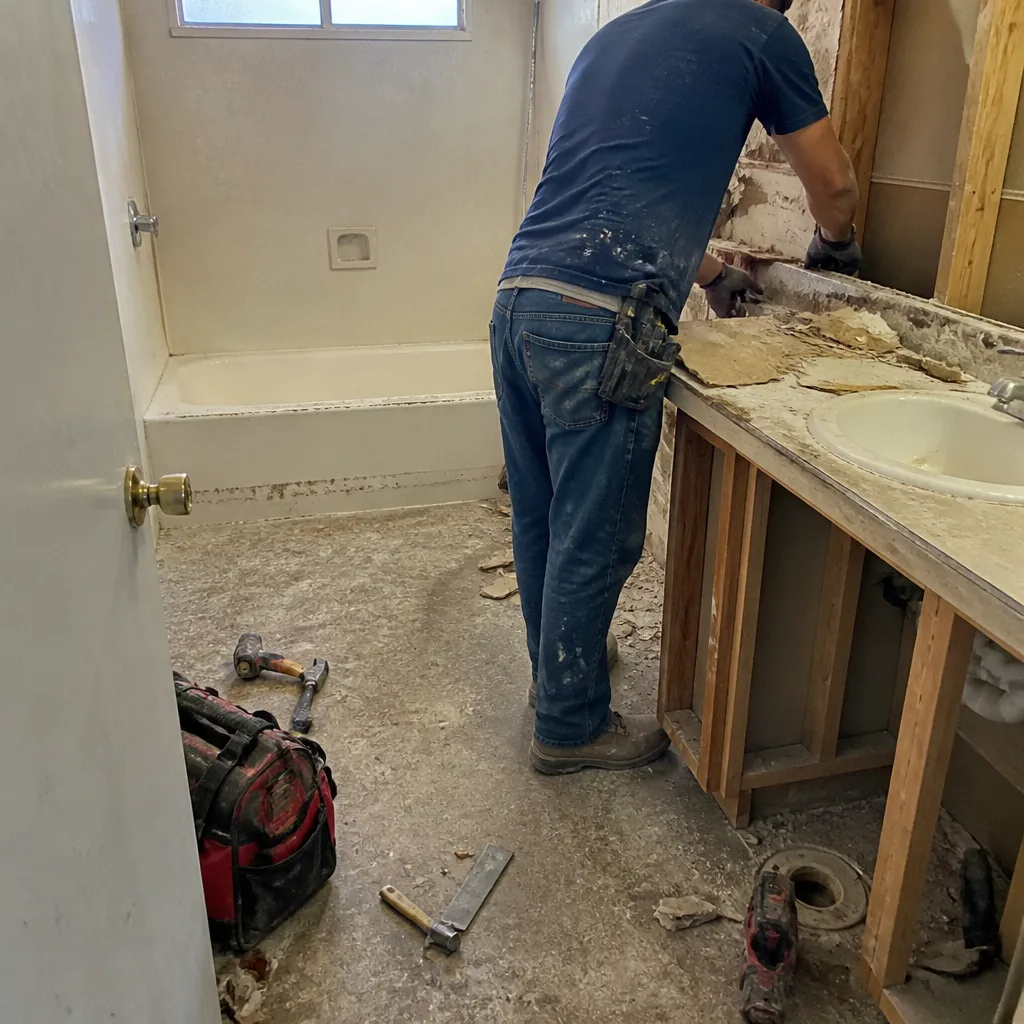 Before
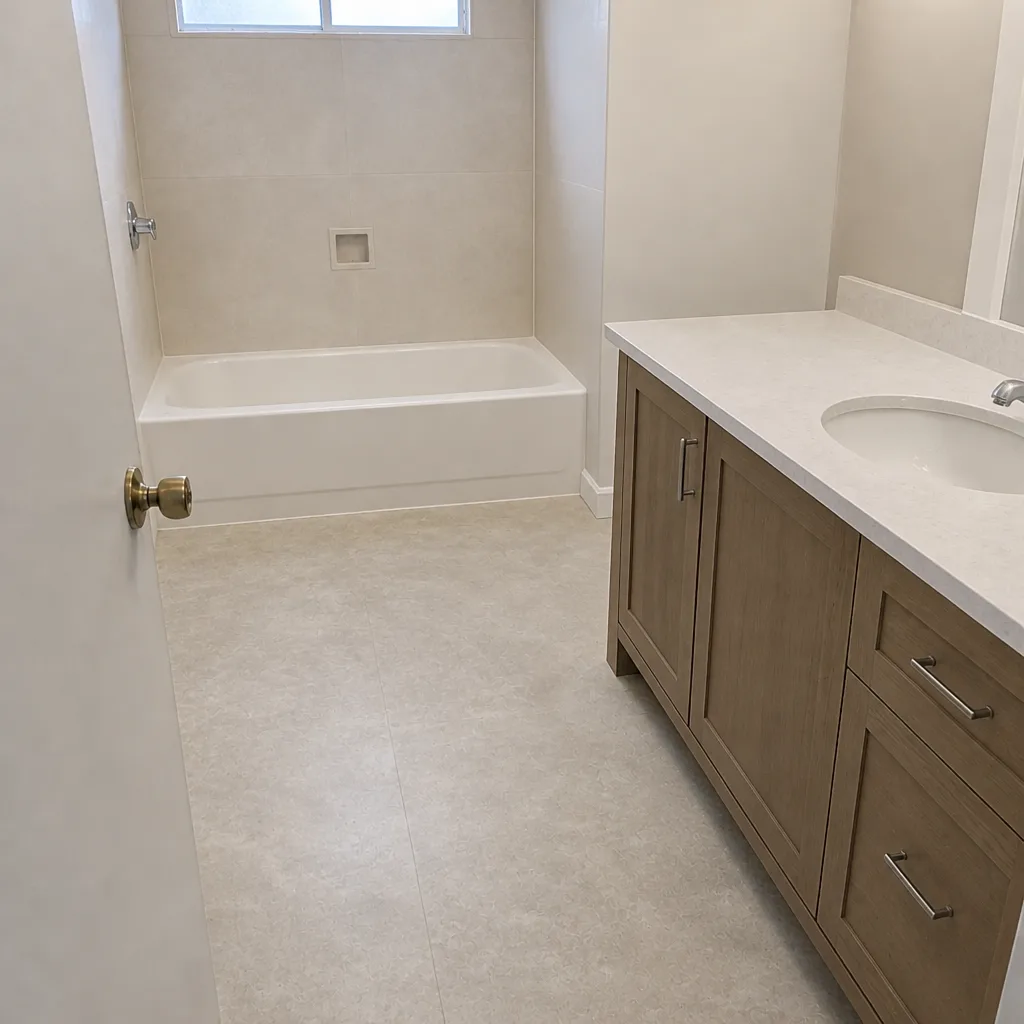 After
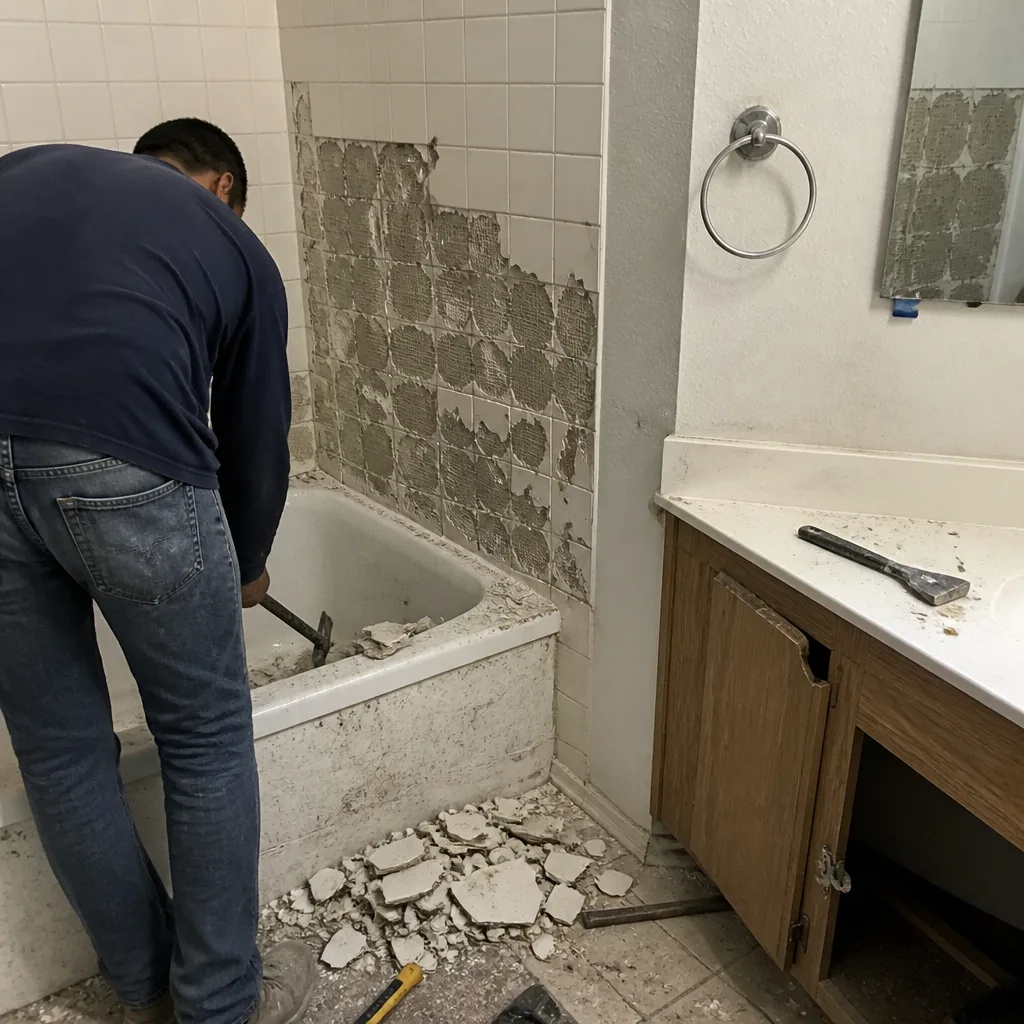 Before
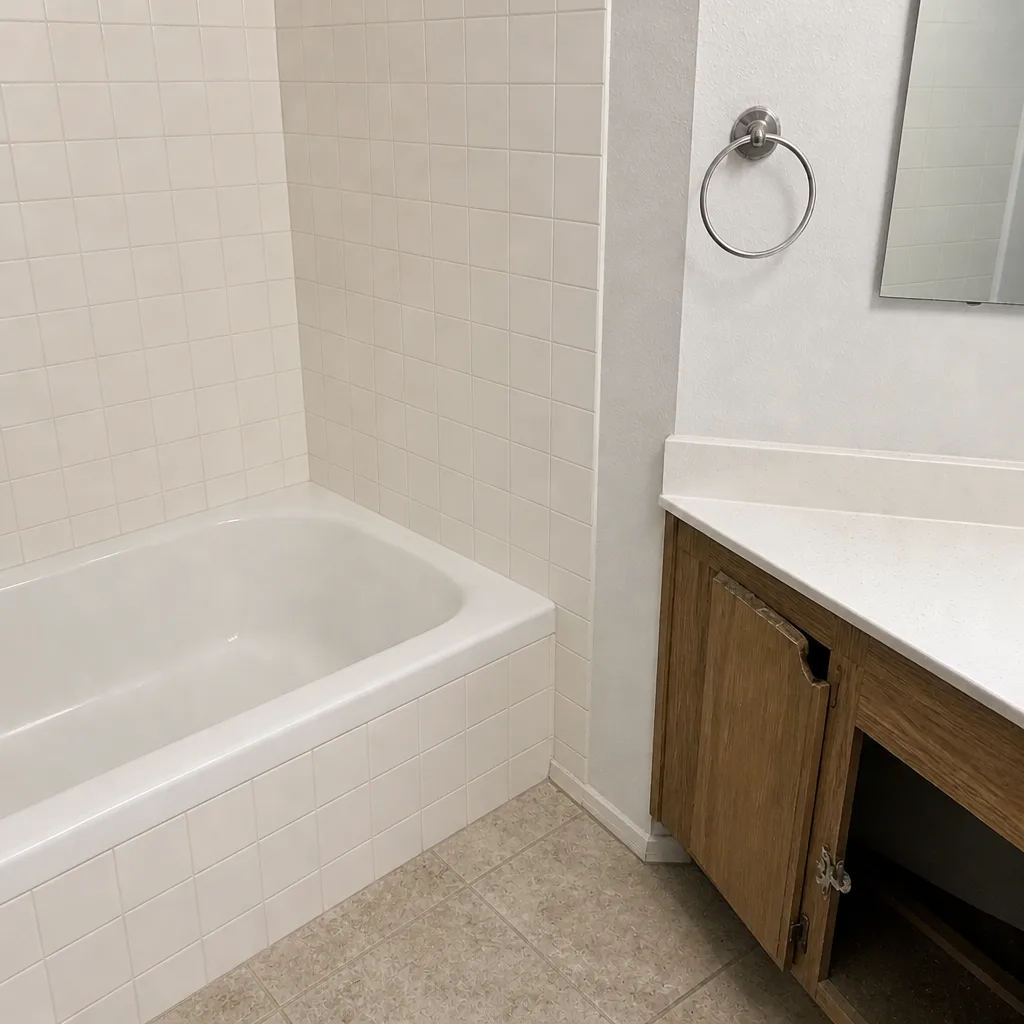 After
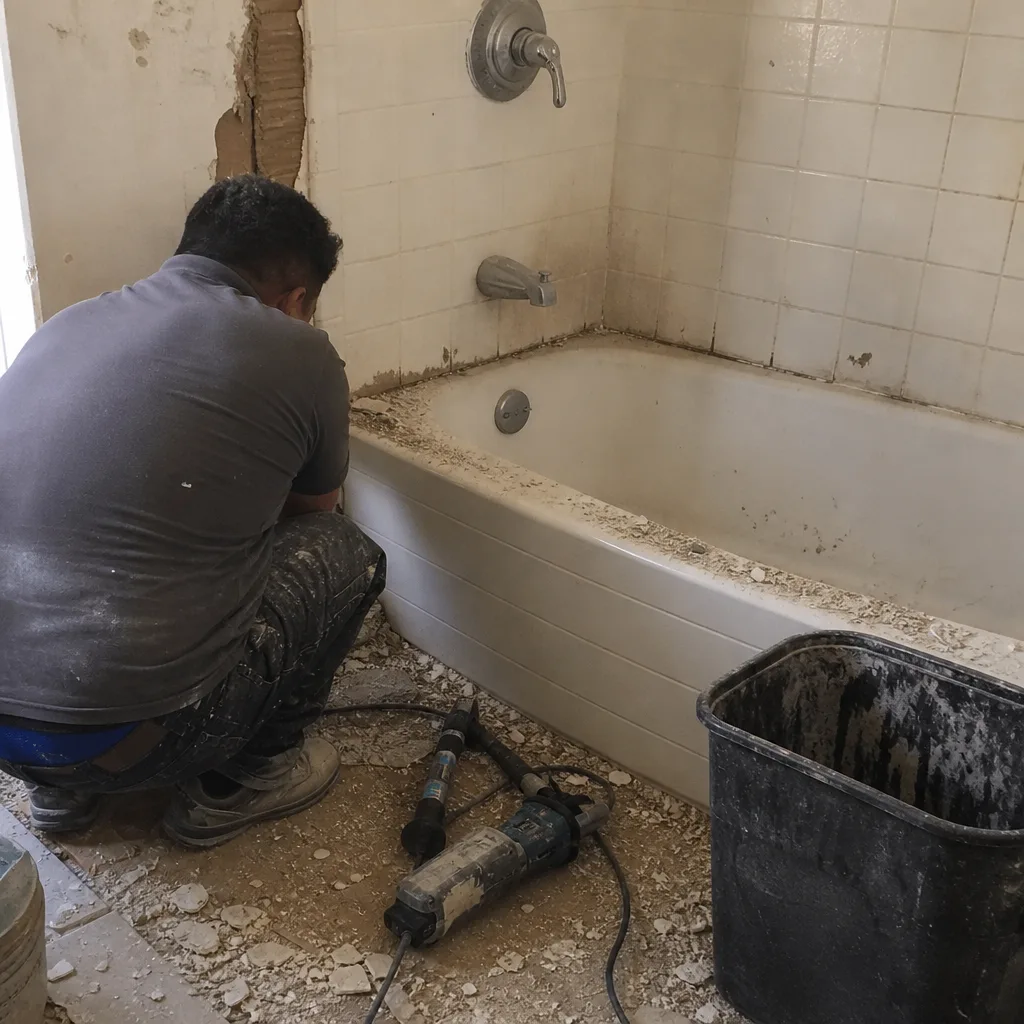 Before
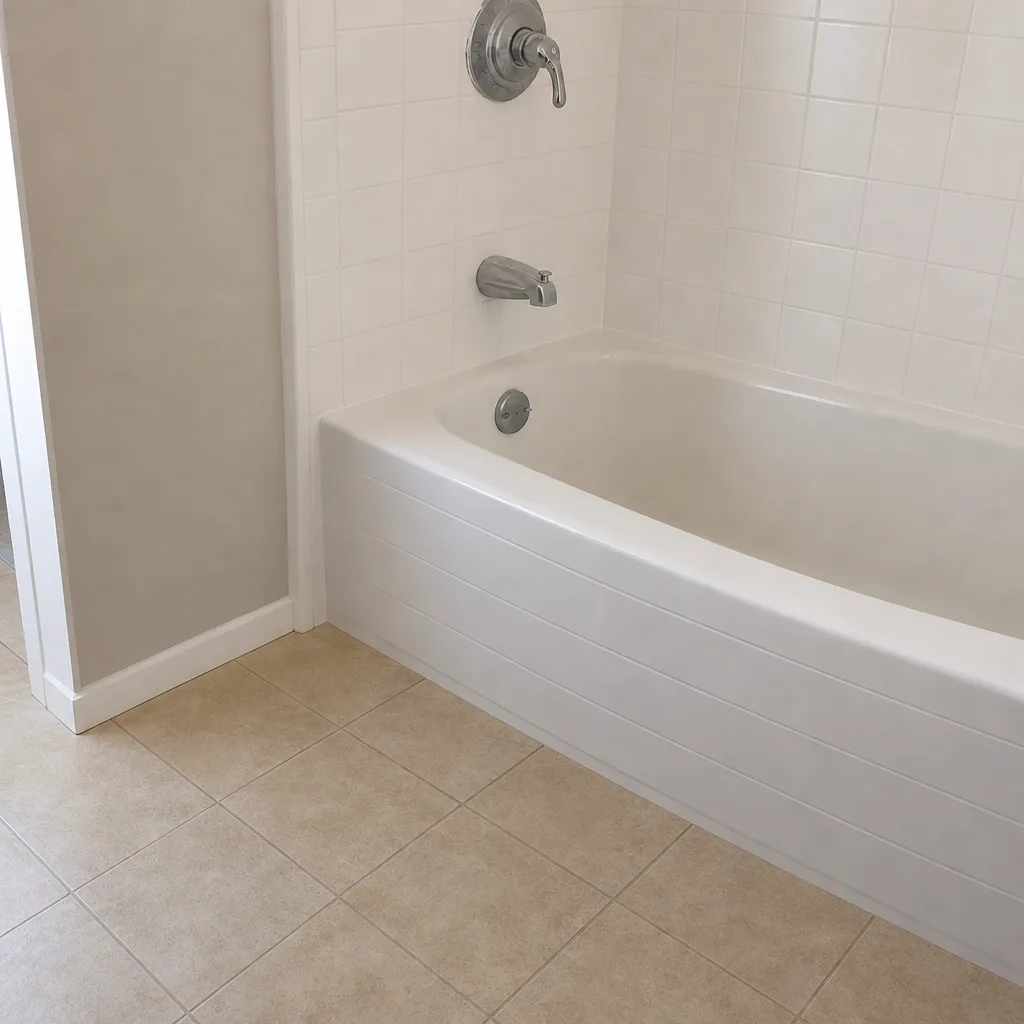 After