Last updated November 18, 2026







Free in-home design visit - walk-in showers, tub-to-shower conversions, and Kohler, Moen, and Delta fixtures planned to your exact space
Seasonal Bathroom Remodeling Care for Las Vegas: Year-Round Homeowner’s Guide
Most home care guides assume four gentle seasons and tell you to reseal in spring and check the caulk in fall. Las Vegas doesn’t work that way. This valley runs on a different calendar: a long, brutal summer that bakes every exterior wall and skylight seal, a short monsoon window that pushes humidity into places it never sits, a mild fall that is genuinely the best time to touch up grout and caulk, and winter nights that still dip to freezing and catch exposed supply lines off guard. If you remodeled a bathroom here, the products behind your tile and the finishes on your walls are living through all four of those phases every year. This guide walks through what each one does to your bathroom and what to check before it hits, so a room you invested in stays sound instead of quietly aging three years for every one. We do bathrooms in Las Vegas for a living, and this is the schedule we’d hand a homeowner if we could only hand them one page.
Quick Answer
Seasonal bathroom care in Las Vegas means treating summer heat, monsoon humidity, fall resealing, and winter cold snaps as four distinct maintenance windows rather than the usual spring-and-fall rhythm. The short version: inspect seals and UV-exposed fixtures before June, watch ventilation and condensation through July and August, reseal grout and recaulk in October and November, and check supply lines in exterior walls before the first freeze. Hard water maintenance runs year-round, with intensity adjusted to how mineral-heavy your water is at that time. Much of this takes an afternoon, and the rest is knowing when to call a specialist.
Styles & brands we work with
- Walk-in shower
- Tub-to-shower
- Freestanding tub
- Kohler
- Moen
- Delta
- Frameless glass
Table of Contents
- Summer Heat: What 110°F Does to a Bathroom
- Monsoon Season: Condensation Inside the Walls
- Fall: The Best Window for Resealing and Remodeling
- Winter: Freeze Risk on Exposed Supply Lines
- Year-Round: Adjusting for Lake Mead’s Water
- Ventilation: The One System That Protects All Four Seasons
- A Season-by-Season Maintenance Checklist
- Common Mistakes to Avoid
Summer Heat: What 110°F Does to a Bathroom
Summer in Las Vegas is not a warm stretch you coast through. When the valley strings together weeks above 110°F, the heat does measurable work on the parts of a bathroom that face the outside, and on the materials holding the room together. Heat is a stressor, and the bathroom is where several different materials with different expansion rates meet.
Three areas take the most punishment:
- Exterior walls and the fixtures mounted on them. Any bathroom wall that shares a face with the sun gets radiant heat pushed into the framing and the wall cavity. Supply and drain lines running inside that wall sit in a hotter environment than interior plumbing, and the temperature swings between day and night work the joints.
- Skylights and their seals. Many Las Vegas homes have a skylight over the bath or shower because there is no window to borrow light from. The sealant around a skylight takes direct UV all summer. When it fails, water shows up at the ceiling before you notice anything above, and that moisture lands right where you don’t want it.
- Plastic and composite components. Toilet tanks, shower valve trim, and some fixture bodies have plastic internals. Sustained high heat in an unventilated bathroom can shorten their life and make them brittle. This is where a reputable brand matters less than the material inside it.
Before peak heat, walk the room. Look for caulk that has pulled away from the wall or tub, cracked sealant around a skylight or window, and any fixture trim that feels loose. Bring in a professional if the sealant failure is around a skylight or exterior wall, since that work needs to be redone correctly the first time. A bathroom-only specialist like Dayspring Bath Remodeling, whose whole practice centers on bathroom remodeling, will tell you what’s failing and what’s still holding.
Monsoon Season: Condensation Inside the Walls
The monsoon window arrives in July and August, and its effect on a bathroom surprises people. Las Vegas is famously dry, and then for a few weeks the air over the valley fills with moisture from storms that drop sudden rain and then leave. Humidity climbs, the air cools toward evening, and condensation forms on cool surfaces. In a bathroom, the cool surfaces are the tile, the mirror, the window glass, and the inside of any wall cavity that isn’t sealed against moist air.
Here’s the mechanism that matters: if warm, humid air can get behind tile, into a wall, or into an attic or wall cavity that isn’t well sealed, it condenses when the temperature drops overnight. Repeated condensation is what feeds mold. The fix isn’t exotic, but it’s not obvious either.
- Run the exhaust fan longer than you think you need to. A bathroom fan sized for a dry climate may be undersized for monsoon humidity. Every shower, run it through the whole shower and for at least 20 minutes after. If the mirror stays fogged long after you towel off, the fan isn’t moving enough air.
- Check that the fan actually vents outside. A fan that exhausts into the attic pushes all that moisture up into the structure. Confirm the duct terminates at the roof or an exterior wall, not in the attic.
- Seal the gaps. Where tile meets drywall, where the tub or shower pan meets the wall, and around any penetrations, keep the sealant intact. Moisture that gets behind the finish is far more expensive than moisture on it.
- Watch for the tell-tale signs. Musty smell, dark specks on grout or caulk, or paint that bubbles near the ceiling are all early warnings. Catching them during the monsoon window is far easier than after.
In our experience, the bathrooms with a walk in shower and a quality waterproofing system behind the tile handle monsoon humidity far better than older tub surrounds, where water can sit behind a failing caulk line for years. That is the difference between a shower that was built to keep water out and one that merely looks sealed.
Fall: The Best Window for Resealing and Remodeling
October and November are the sweet spot on the Las Vegas calendar. The furnace heat has broken, the monsoon moisture has cleared, and the freezing nights are still weeks away. That makes fall the best time of year for the work that needs stable temperatures and dry conditions.
Two categories of work belong in this window:
- Resealing and recaulking. Grout sealant and caulk cure best when the air is moderate and the surface is dry. Fall gives you both, and the work is done before the winter cold can stress the joints again. Plan to reseal grout and replace caulk in high-moisture areas roughly once a year in this climate. Clean the joints first, let them dry completely, and apply sealant to clean, dry surfaces.
- Scheduling non-urgent remodeling. Fall is a smart time to plan a tub-to-shower conversion or a full remodel, because you’re ahead of the demand curve and the finished project can settle in before summer heat arrives. A tub-to-shower conversion is a defined, disruptive job that goes better when the weather isn’t fighting the curing of materials.
Use the fall window to look at what’s worn. Grout that looks dull, caulk that’s peeling, a shower valve that drips, or a shower pan that’s showing its age all benefit from attention now. If the wear is more than surface, a free estimate in the fall tells you whether you’re looking at a resealing job or a bigger project, and gives you time to decide.
Winter: Freeze Risk on Exposed Supply Lines
Winter in Las Vegas is mild by most standards, and that mildness is exactly what makes it a hazard. When the overnight temperature drops to freezing or below, and it does, homes that aren’t prepared for it are the ones that get hit. The problem is most acute in older housing stock, where supply lines sometimes run along or inside an exterior wall to feed a bathroom sink or toilet.
The old logic was that a Las Vegas winter never gets cold enough to freeze a pipe. That’s not a safe assumption anymore. Freezing water expands, and expanding water cracks a supply line; the water damage shows up well away from the pipe that failed. The risk is highest on the coldest nights of December through February, especially when a pipe sits in an exterior wall with minimal insulation between it and the outside.
How to handle it, in order:
- Know where the exposed lines are. If your bathroom has a sink or toilet mounted on an exterior wall, the supply line feeding it is a candidate. A remodel that opens the wall is the moment to insulate those lines properly.
- Keep the house warm on cold nights. A little interior warmth in the room protects a line more than a blanket of insulation alone.
- On a freeze night, let the taps drip. Moving water freezes more slowly. A thin trickle through an exposed line is cheap insurance.
- If a pipe does freeze and you can’t get water, shut off the supply and call a plumber. Never run a torch against a wall cavity. The heat can ignite the insulation and framing.
If your bathroom is being remodeled, this is the time to address it permanently. Wall work is not something you want to reopen later, and a professional remodeler can insulate or reroute exposed supply lines while the wall is open. That is one of the concrete benefits of doing a bathroom remodel the right way.
Year-Round: Adjusting for Lake Mead’s Water
Every bathroom in this valley shares a water supply, and that supply’s mineral content moves through the year. When you’re working with a city that draws from a large reservoir, the mineral concentration of the water can shift with the reservoir’s level and with seasonal treatment, without warning. That matters to a bathroom because hard water is what leaves the white scale on glass, faucets, and showerheads, and what dulls grout over time.
The practical takeaway is that hard water maintenance isn’t a one-time task set to a fixed schedule, it’s something you watch and adjust. Here is how to stay ahead of it:
- Watch the scale. If your shower glass or faucet screens start showing white buildup faster than the season before, the water is harder right now and your cleaning routine needs to step up. When it eases, dial back.
- Match cleaning to the season. A heavier cleaning pass when scale builds faster, a lighter routine when it slows. This keeps you from scrubbing on autopilot and wearing the finish.
- Protect the hidden parts too. Scale doesn’t only show on glass. It builds in the shower valve and the cartridge, which is where a failing valve starts to leak. A brand like Grohe or Toto with a quality cartridge handles scale better, but the water still has to be managed.
- Think about the finish you chose. Some fixture finishes resist scale and spotting better than others. If hard water is a constant here, pick a finish that’s easy to clean rather than one that shows every drop.
Hard water isn’t a reason to avoid a well-built shower, it’s a reason to build it well and maintain it thoughtfully. A shower designed with proper waterproofing behind it handles scale far better than a cheap install, and the choice of finish and fixtures makes the maintenance easier or harder.
Ventilation: The One System That Protects All Four Seasons
If you only do one thing to protect a bathroom through the Vegas year, it’s get the ventilation right, because ventilation is the one system that helps in every season. In summer the fan helps with heat and moisture. In monsoon season it’s the primary defense against condensation. In winter it moves cooler, damper air out. A weak fan, or one that vents into the attic, makes every other maintenance task harder.
Three things to check:
- The fan runs well. If it’s loud, slow, or stops pulling steam, it’s not doing the job. An undersized fan is a bad fit for a wet climate during monsoon and a hot one in summer.
- The duct is intact and vents outside. Loose, crushed, or disconnected ductwork wastes the fan and pushes moisture into the structure.
- There’s a way for air to get in. A fan can’t move air out if the room is sealed and no air can come in. Under a bathroom door detail matters here.
A walk-in shower with no tub, or a curbless, zero-threshold design, changes the fan math because there’s less enclosed surface holding moisture. A bathroom-only specialist will size the ventilation to the shower type you actually have, not the one a generalist assumes. Our technicians have up to 10 years of experience, and much of that is knowing how air and water move through a room that’s built right.
A Season-by-Season Maintenance Checklist
Here is the calendar most home care guides won’t give you, built around what this valley actually does to a bathroom.
| Season | Window | Focus | Typical cost |
|---|---|---|---|
| Spring check | February to March | Inspect seals, caulk, skylights before heat; test ventilation | $0 DIY inspection; resealing jobs estimated per room |
| Summer | June to September | UV-exposed seals, plastic components, exterior walls | Estimated per job by written quote |
| Monsoon | July to August | Ventilation, condensation, grout and caulk checks | Estimated per job |
| Fall reseal | October to November | Grout sealing, recaulking, planning non-urgent remodels | Resealing estimated per job |
| Winter | December to February | Exposed supply lines, freeze protection | Estimated per job |
| Year-round | All year | Hard water scale, fixture cleaning | $0 DIY; parts estimated if needed |
Pricing is estimated and set per job by the written estimate, so use the table as a reminder of what to do when, and ask for a quote when a task is more than you want to handle. None of these tasks is dangerous in itself, but two of them, the electrical side of ventilation and any gas line in the room, involve real risk and belong to a trained professional. Never open an electrical panel or move gas lines to save on a repair.
Common Mistakes to Avoid
- Treating this like a four-season climate. Most home maintenance schedules assume spring and fall are the only touch-ups. In Las Vegas the summer and monsoon windows are the ones that matter most, and a schedule that skips them leaves the bathroom exposed.
- Ignoring the skylight until it leaks. The sealant around a skylight takes the full sun all summer. Check it before peak heat, not after water appears on the ceiling.
- Letting the exhaust fan vent into the attic. A fan that pushes moisture into the attic is worse than no fan at all in monsoon season. Confirm it vents outside.
- Skipping the fall reseal because the grout “still looks fine.” Grout and caulk wear from the inside out, and the fall window is the best time to seal before winter cold stress.
- Assuming an exterior-wall supply line will never freeze. Winter nights still drop to freezing here, and older homes often have lines next to the outside. Insulate them when you remodel.
- Keeping the same hard water routine all year. Water mineral content shifts, so a fixed cleaning schedule either over-works the finish or lets scale build in the valve. Watch and adjust.
- Hiring a generalist to reseal or re-tile around a shower. Waterproofing behind tile is the step that’s easiest to skip and hardest to see, which is why a bathroom-only specialist and a proper system like Schluter belong in the job, not just a tile setter who is passing through.
See the difference
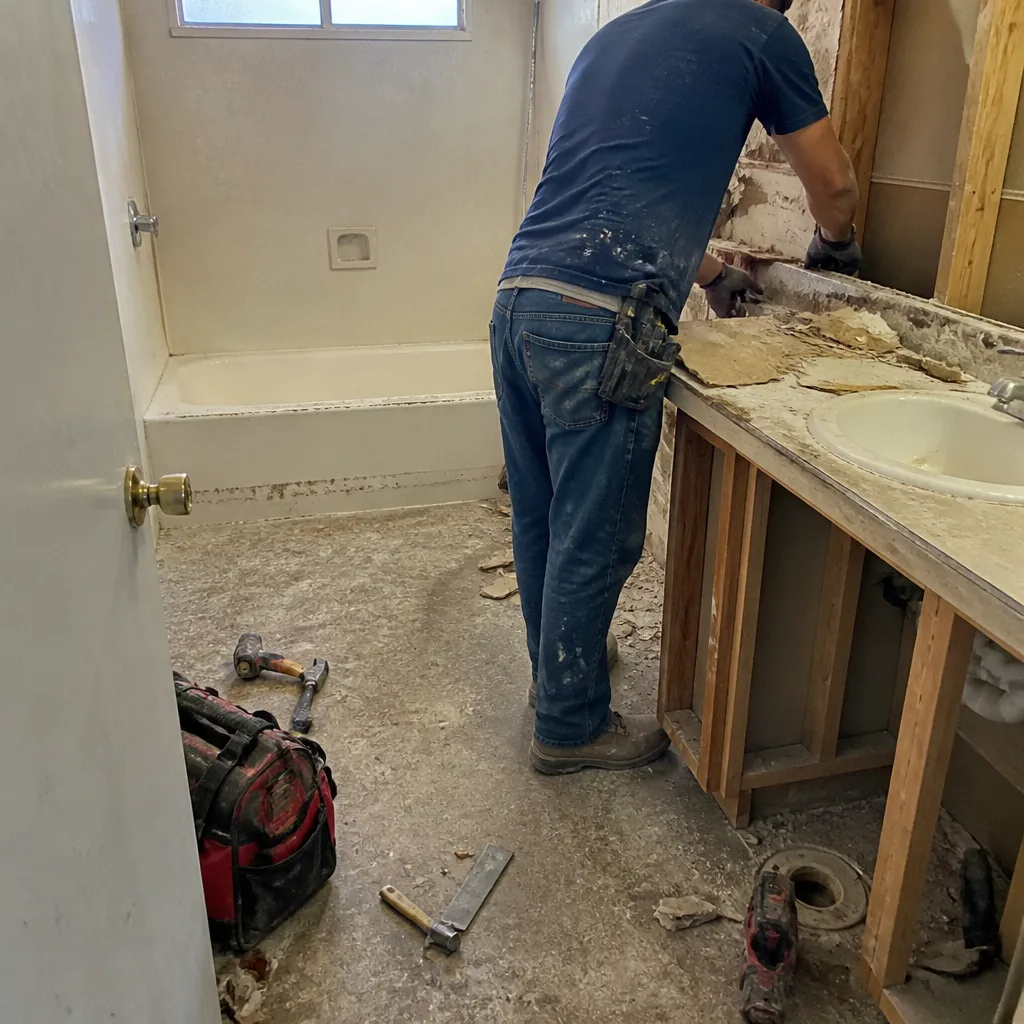 Before
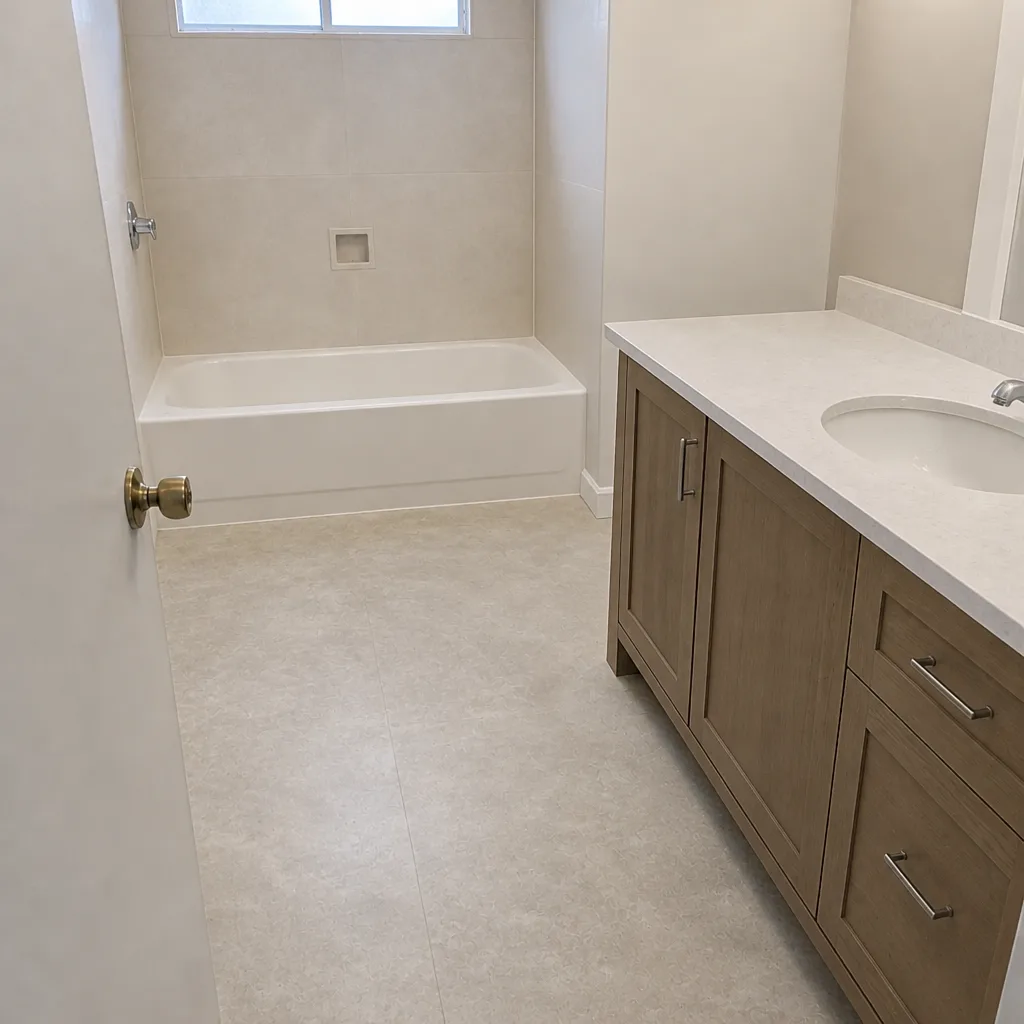 After
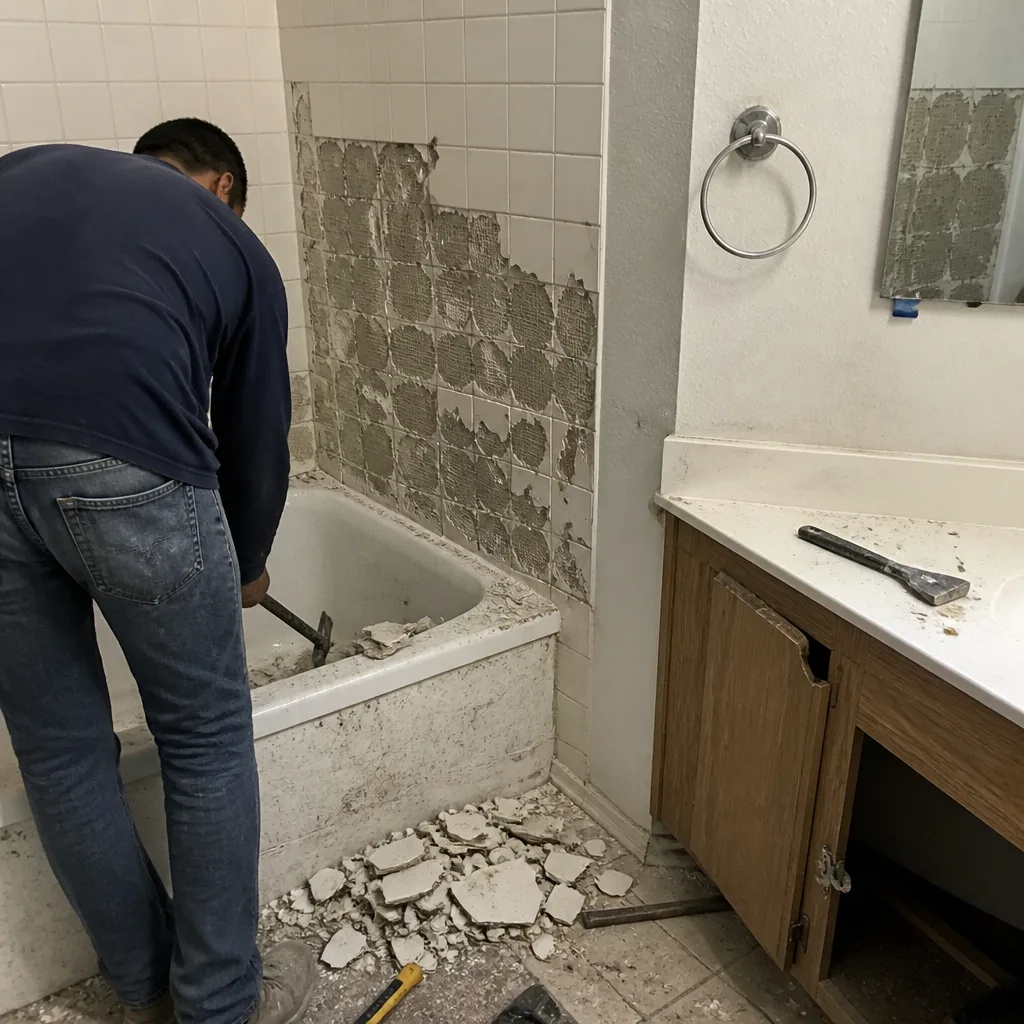 Before
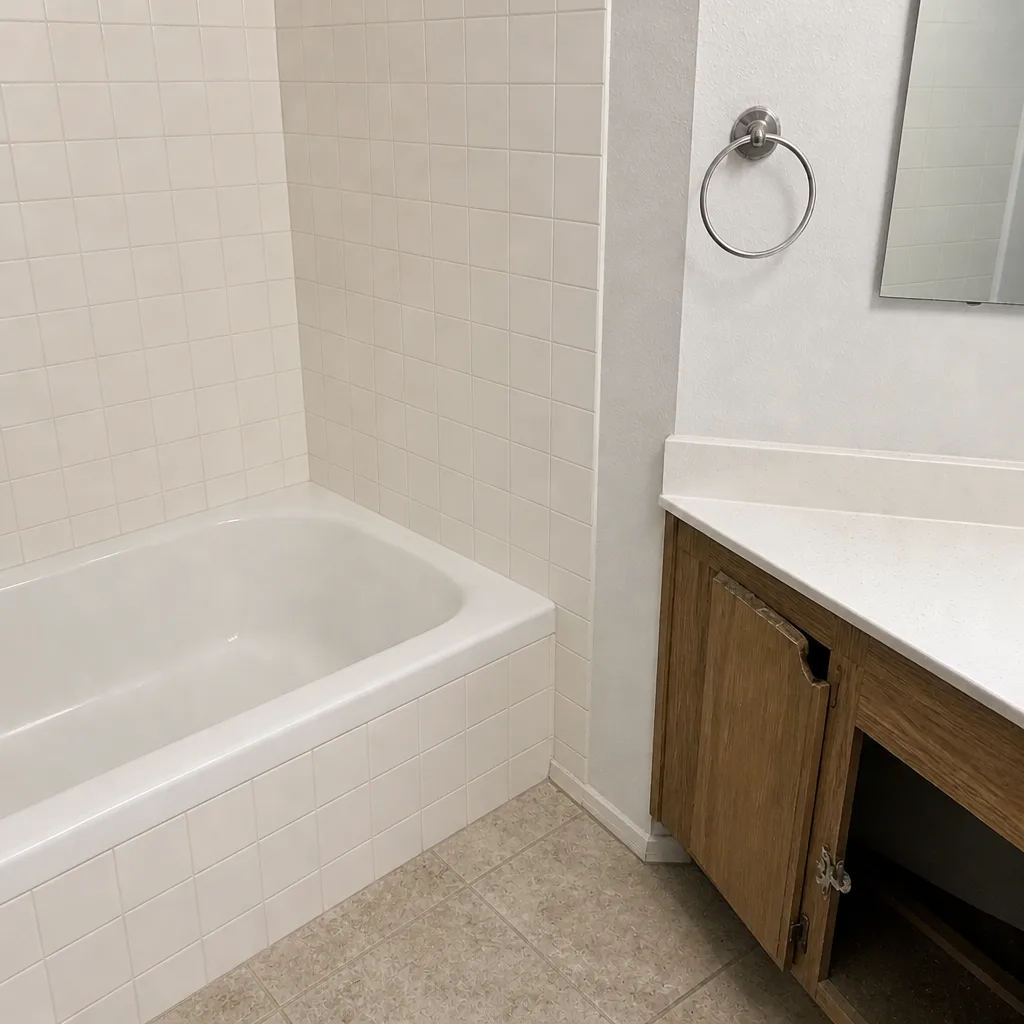 After
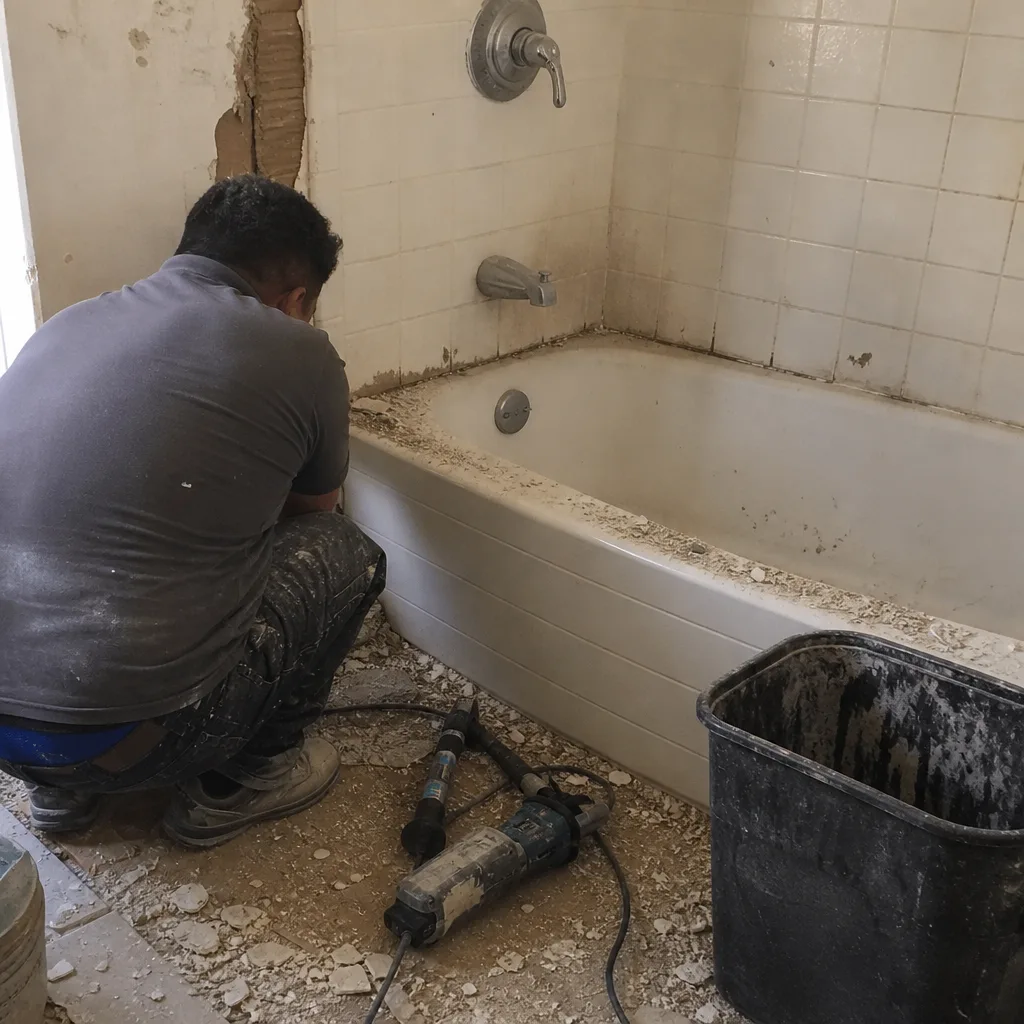 Before
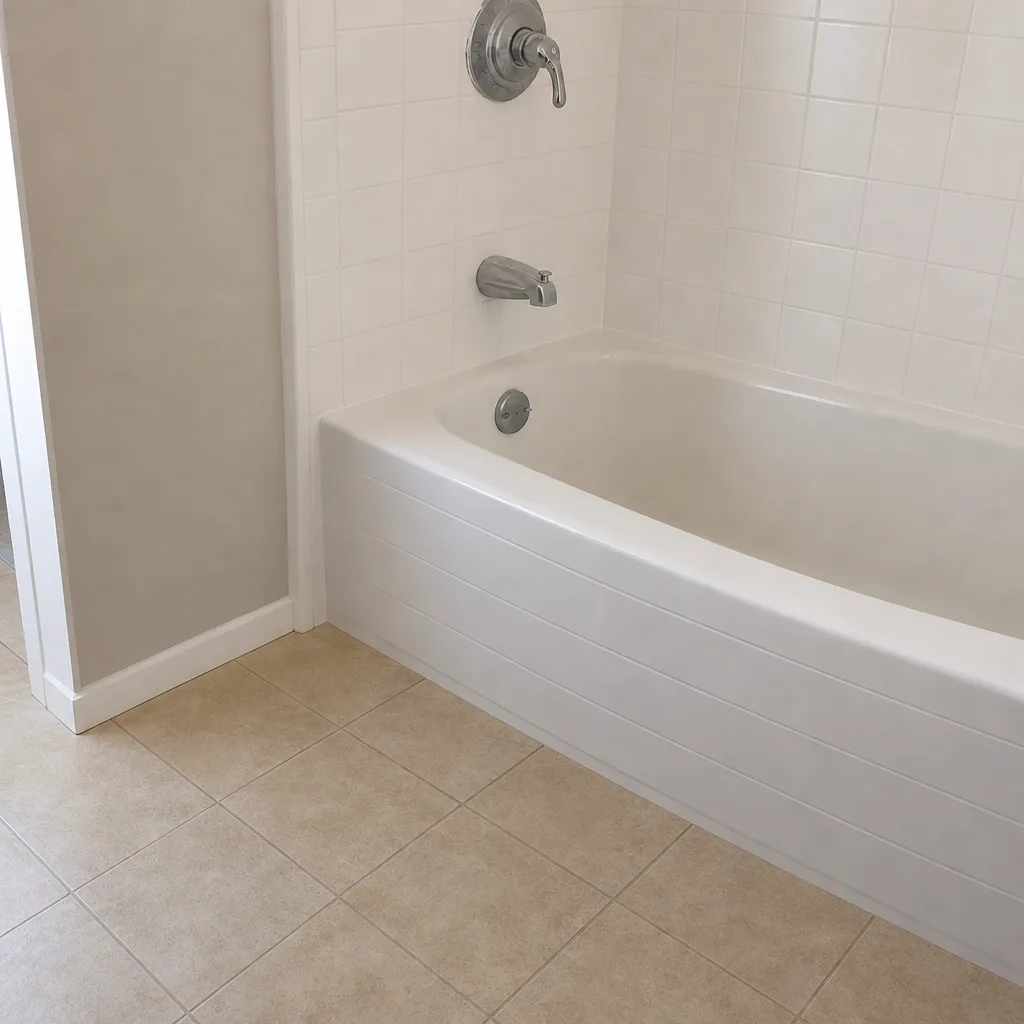 After
When to Call a Professional
Some of this is a weekend afternoon. Some of it isn’t. Call us when the sealant failure is around a skylight, an exterior wall, or where tile meets the shower pan, because a redo that traps moisture behind the finish costs far more than the first fix. Call us when the fan is weak, loud, or venting into the attic. Call before winter if your bathroom has supply lines in an exterior wall, and call before you reseal grout only to find the shower pan is failing underneath. If your shower glass is foggy between the panes, your caulk keeps peeling, or your tile feels hollow when tapped, those are signs of a deeper waterproofing problem. Las Vegas residents get free estimates from Dayspring Bath Remodeling. Call (888) 393-8208. We answer 24/7. Fast dispatch from 7am to 7pm, Sunday through Friday.
Frequently Asked Questions
Plan on roughly once a year, and put it in the fall. Las Vegas grout and caulk take a beating between summer heat and monsoon humidity, and fall lets you seal when the air is moderate and the surface is dry, before winter cold stress. Call (888) 393-8208 for an exact quote, estimates are free.
Monsoon humidity makes the air heavier and condensation forms easily on cool tile, glass, and inside wall cavities that aren’t sealed. The fix is ventilation: run the exhaust fan longer, and confirm it vents outside rather than into the attic. If fogging persists or you smell a musty odor, call (888) 393-8208 for an exact quote, estimates are free.
Yes, at least on the coldest nights, and especially if your bathroom has supply lines running along an exterior wall in an older home. Winter nights here can drop to freezing and below. If a line freezes, shut off the supply and call a plumber. Call (888) 393-8208 for a free estimate on insulating exposed lines during a remodel.
In our experience, October and November are the best window, because moderate temperatures and dry air help sealants and materials cure and settle correctly, and you’re ahead of demand. It’s also a good season to plan a tub-to-shower conversion before summer heat returns. Call (888) 393-8208 for your free estimate.
Watch the scale and adjust your cleaning routine as the water mineral content shifts through the year, clean the shower valve cartridge, and pick a finish that resists spotting. Quality fixtures from brands like Grohe and Toto handle scale better, but maintenance still matters. Call (888) 393-8208 for an exact quote, estimates are free.
Look at every seal: caulk around the tub, shower, sink and toilet, the sealant around any skylight, and the trim on fixtures that face an exterior wall. Also check for brittle plastic components on the toilet and valve trim. If you find failures, call (888) 393-8208 for an exact quote, estimates are free.
The Bottom Line
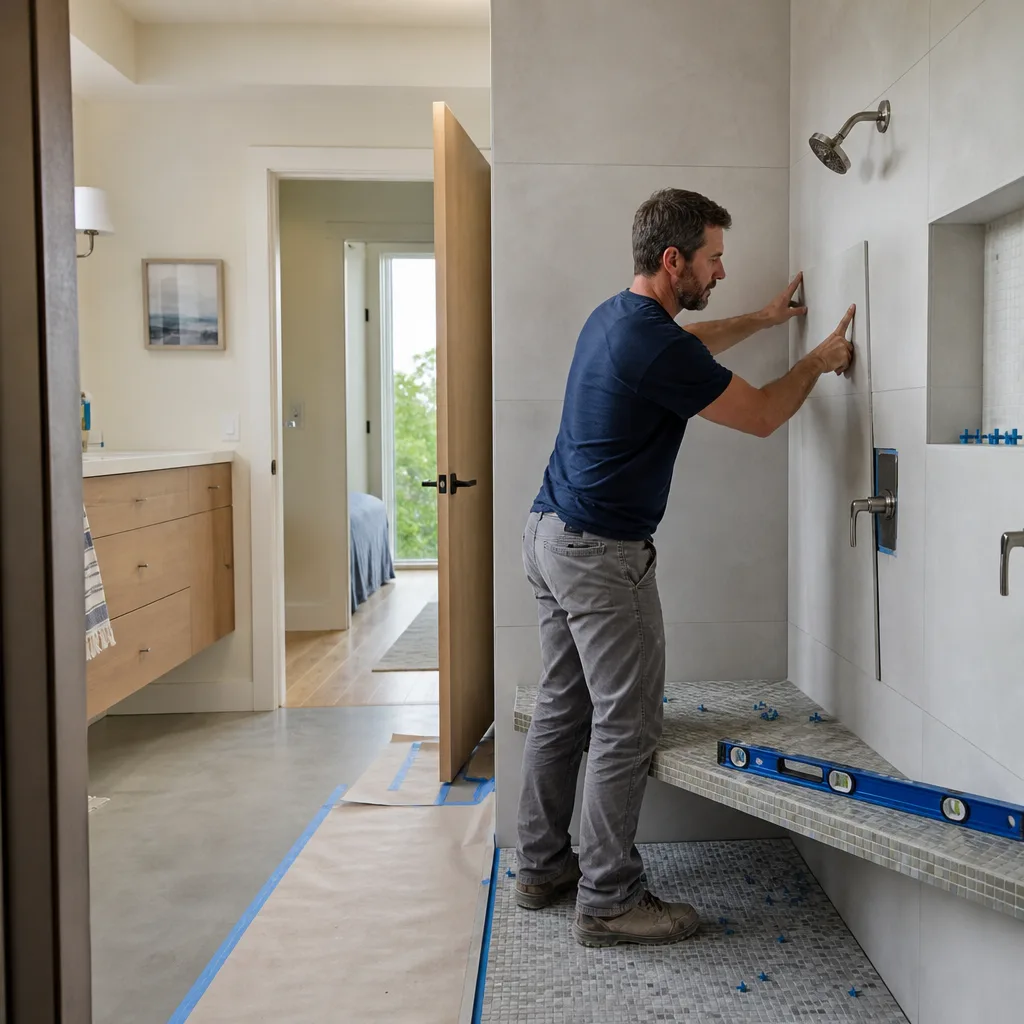
Las Vegas doesn’t hand a bathroom four polite seasons. It hands you a long, unforgiving summer, a short, humid monsoon window, a genuine fall resealing opportunity, and cold nights that expose poorly insulated supply lines. The homeowner who plans around those four phases, keeps the ventilation working, watches the hard water, and reseals in the fall, gets years of extra life out of the same fixtures and tile. The one who runs the spring-and-fall routine from a magazine gets surprise leaks and early replacements. You don’t have to do all of it yourself, but you do need to know the calendar. If you’re not sure whether you’re looking at a reseal or a remodel, that’s exactly what an estimate is for.
If this guide has raised questions about your own bathroom, or you’re ready to plan a project from the drain up, we’re a bathroom-only specialist, and one trade, one room, total accountability is how we work. Call (888) 393-8208 for a free estimate. We answer 24/7. Fast dispatch from 7am to 7pm, Sunday through Friday. You can also explore Las Vegas service details and start planning with Dayspring Bath Remodeling.
Written by the team at Dayspring Bath Remodeling.